
By opening the video, you accept Vimeo's privacy policy.
Find out more
Nowadays the term‘Brainfood’is often used. But what does that mean? Does our brain have certain demands on what we eat? Can we even eat smart? In fact, nutrition has a significant impact on our mental performance. We cannot influence our intelligence with this, but we can ensure that the brain has the best prerequisites to develop its full potential. Brainfood promotes our concentration, attention and stress resistance, which enables us to work more efficiently and in a more targeted manner.
WHAT DOES BRAINFOOD LOOK LIKE IN EVERYDAY HOME OFFICE WORK?
In the following you will get a brief overview of the most important brainfood foods and how you can easily incorporate them into your everyday home office.
1. DRINK ENOUGH

Not only eating, but also drinking is important for our brain. A balanced fluid balance is crucial for our ability to concentrate. About 1.5-2 l of liquid in the form of water, tea or heavily diluted juice spritzer should be taken in daily. A lack of water quickly leads to tiredness, headaches or difficulty concentrating. So that you do not forget to drink, always make sure you have a full drinking bottle at your desk and be reminded to drink it using an alarm clock or drinking app.
2. MAKE SURE YOUR BLOOD SUGAR LEVELS ARE BALANCED
In order to work optimally, our brain constantly needs energy in the form of sugar. To ensure this, the blood sugar level must be kept in the target range. You can achieve this through regular balanced meals. Three main meals and one or two brainfood snacks in between are best. The main meals should contain complex carbohydrates, sufficient protein, high-quality fats as well as vitamins and minerals. Trail mix, vegetable sticks or homemade fruit curd are suitable as snacks. Sugar-rich snacks in the form of chocolate, gummy bears or cakes are unfavorable, since they cause the blood sugar level to ride a roller coaster, causing alternating highs and lows. Every week we provide you with tasty brainfood recipes that you can implement easily and without much effort.
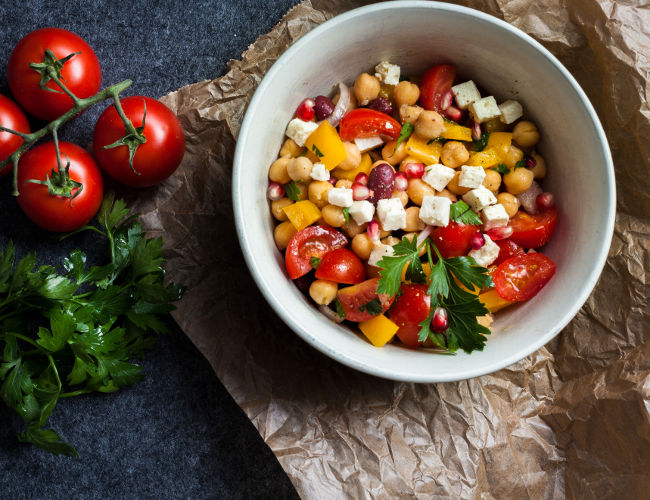
3. OMEGA-3 FATTY ACIDS INCREASE YOUR MENTAL PERFORMANCE

There are good and bad fats. They are known to promote concentration and improve our mood. A very good source of omega-3 fatty acids is fatty sea fish such as salmon, tuna, mackerel or herring. In order to ensure an adequate supply of omega-3, it should be served at least twice a week. Plant-based foods such as linseed, chia seeds or walnuts also contain omega-3 fatty acids, although the body can only use this form to a very limited extent. If you have a hard time getting fresh fish, get the frozen version. This also ensures that there is always fish in stock at home.
4. PROTEIN SUPPORTS YOU IN LEARNING AND THINKING
Our brain needs protein to build brain cells and exchange information between cells. In order to meet daily needs, every meal should contain a protein-rich food. Protein-rich foods include dairy products such as yogurt, quark or cheese, legumes, fish, meat and eggs.

5. PLAN YOUR MEALS ACCORDING TO THE BIORHYTHM

Our metabolism follows a biorhythm, which means that we need different nutrients at different times of the day. The saying breakfasts like an emperor, eats at noon like a king and in the evening like a beggar describes this situation appropriately. In the morning and at noon we need energy and vital substances to be able to do our work. The focus is on complex carbohydrates, vegetables and fruits. In the evening we come to rest and the body begins with regeneration measures.
For this we need above all high-quality protein in combination with nutrient-rich vegetables and high-quality fats. Carbohydrates tend to be stressful in the evening unless you have a very physically active lifestyle and therefore need more carbohydrates.
THESE 5 POINTS HELP YOU TO PERFORM BETTER IN YOUR EVERYDAY HOME OFFICE, PROMOTE YOUR HEALTH, PUT YOU IN A GOOD MOOD AND INCREASE YOUR PRODUCTIVITY. WE WILL SHOW YOU IN THE NEXT FEW WEEKS WHAT IS BEHIND BRAINFOOD AND HOW IT HELPS YOU TO STAY HEALTHY AND FIT IN YOUR WORK IN THE HOME OFFICE!
READY FOR YOUR CHALLENGE?
Record a week long how efficient you are in everyday life and how you have been eating.
Do you discover connections?
To the Challenge
Bibliography
- Arbeitskreis Omega-3 e.V. (2008). Verfügbar unter: http://www.ak-omega-3.de/presse/fachmedien/brainfood-omega-3-fettsaeuren
- Gómez-Pinilla, Fernando (2008). Brain foods: the effects of nutrients on brain function. Nat Rev Neurosci
- Raschka, Christoph und Ruf, Stephanie (2012). Sport und Ernährung. Stuttgart: Thieme Verlag